The measures of Farming Programme 2.0

In 2022, we launched a sustainable farming programme together with our 11 contract farmers growing gluten free oats. Each farmer participating in the pilot programme aims to increase yields and reduce the environmental impact of farming through several measures. In 2024, the programme was expanded to include wheat cultivation.

In 2022, Helsinki Mills launched a practical environmental programme with its contract farmers to increase yields while reducing the environmental impact of cultivation. All the gluten free oat farms selected for the pilot programme are our long-term partners.

- With the Farming Programme 2.0, we are looking for even better-quality oats for our mills and a larger and better-quality harvest - even in poorer years, says Pekka Kultti, Grain Purchasing Manager of Helsinki Mills’s.

According to Kultti, farmers were happy to participate in the pilot programme. The programme gives contract farmers the opportunity to improve their farm and adopt new technologies. Of course, it will also require a financial investment from the farmers, but the programme will give them the opportunity to do so. In addition to providing farmers with many good lessons for improving their own harvest, Helsinki Mills pays a premium price for the crops.
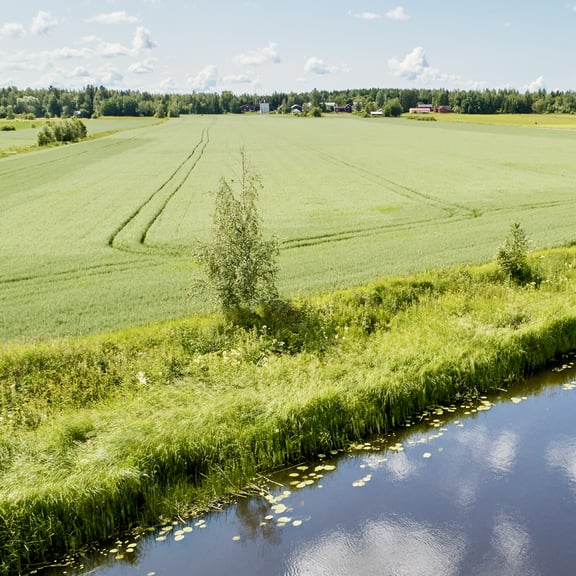
Viljely kaurapelto maisema
Pelto viljely maisema vesistö

The measures of Farming Programme 2.0

– Helsinki Mills' Farming Programme 2.0 is practical. It makes resource-efficient use of the entire arable area of the farm," says Kari Alasaari, a precision farming pioneer and farming consultant who is an expert in the farming programme.

– At the same time, the farming programme brings biodiversity values into the farms' operations, Alasaari emphasises.

– Our goal is to take care of the soil fertility of the contract farms' land and prepare for changing climatic conditions so that the fields will grow good quality crops even in challenging growing seasons, he continues.

The farming programme includes three mandatory measures. Targeted fertilisation means that, for example, 70% of the normal amount of fertiliser is applied at sowing and the rest during the growing season, depending on what the plant needs to produce a good crop.

– In this way, we do not fertilise too much, nor too little, but optimise the amount of fertiliser. It reduces both the cost of farming and the environmental burden, says Pekka Kultti.

– We get research-based advice and guidance on how to make fertilisation more efficient from fertiliser manufacturer Yara.

Another compulsory part of the programme is crop rotation based on plants.
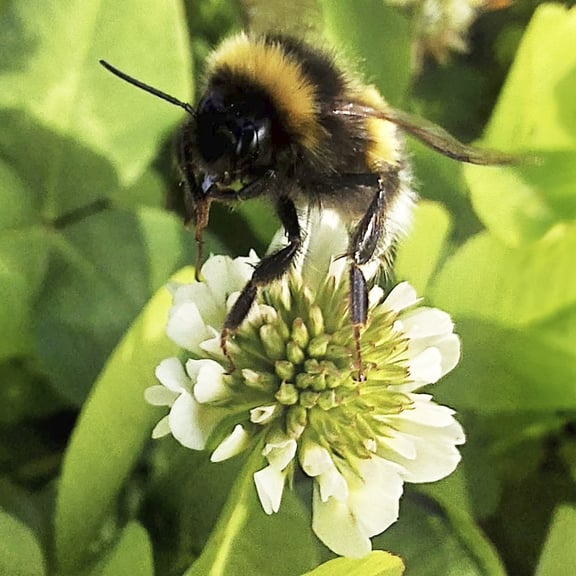
– Legumes and oil plants in a crop rotation improve the soil fertility of fields and increase biodiversity by providing food for pollinators, Kultti explains.

A third mandatory measure was introduced for the 2024 harvest season. Under this measure, farmers may only use pest control products that are safe for pollinators.

In addition there are also optional measures, of which farmers choose one for each harvest season. Optional measures include extended field cover, extensive soil analysis, soil scanning, field condition assessment, crop maps and nutrient level calculations.

EXAMPLES OF MEASURES UNDER THE FARMING PROGRAMME

1.Targeted fertilisation: the right amount in the right place

The amount of fertiliser needed by the plant is closely monitored using various growth sensors. This saves on fertiliser costs, gives a better yield and the fertiliser applied to the plant is used for growth and does not run off into the environment.

2. Flowering plants in rotation: improving the soil fertility of fields 

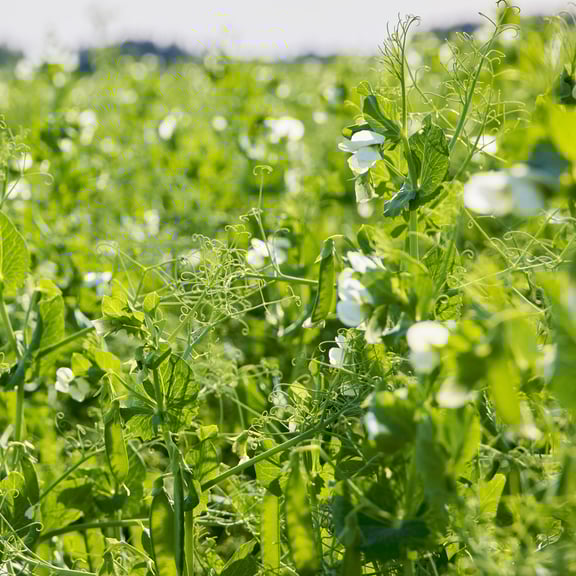
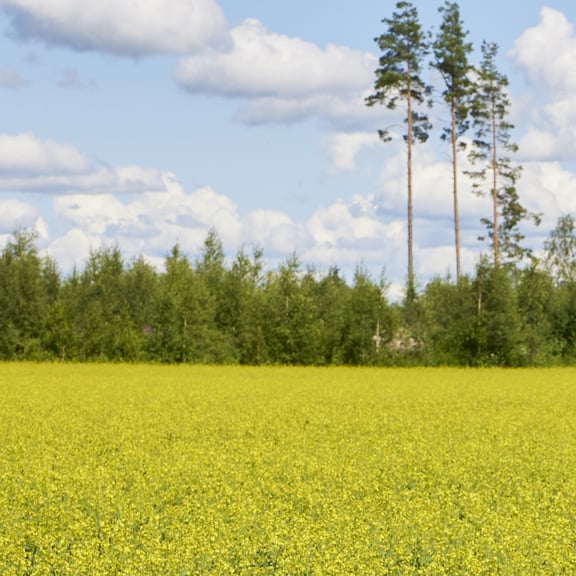
Around a third of the farms' arable land is devoted to flowering crops such as turnip rape or peas. They are good for the soil, both in terms of structure and microbial activity. Oil plants and legumes reduce the need for pesticides and fertilisers and increase biodiversity by providing food for pollinators.

3. Pollinator-friendly pesticides

Only pollinator-friendly pesticides are allowed in cultivation. Selective pest control products are gentle on beneficial organisms, such as pollinators and ladybirds. Other plant protection products may only be used when there is a demonstrated need. This helps improve pollination opportunities for pollinators and enhances biodiversity in the fields.

4. Reducing tillage and catch crops 

Some fields are lightly tilled in autumn, while others are kept covered over the winter. This prevents nutrients from being leached by run-off and erosion. Cover crops and catch crops improve the structure of the field, increase carbon sequestration and the humus content of the field and the number of small organisms such as worms.

5. Soil analyses

Soil scanning helps farmers apply fertilisers and lime at the appropriate rates and precisely where they are needed. A comprehensive soil analysis provides information on the organic matter content of the soil and helps monitor its increase and carbon sequestration. A nutrient balance calculation provides information on cultivation efficiency and the crop yield response to fertilisation.

READ ABOUT THE RESULTS OF THE HARVEST
Kimalainen pölyttämässä
Hernepelto
Rypsipelto